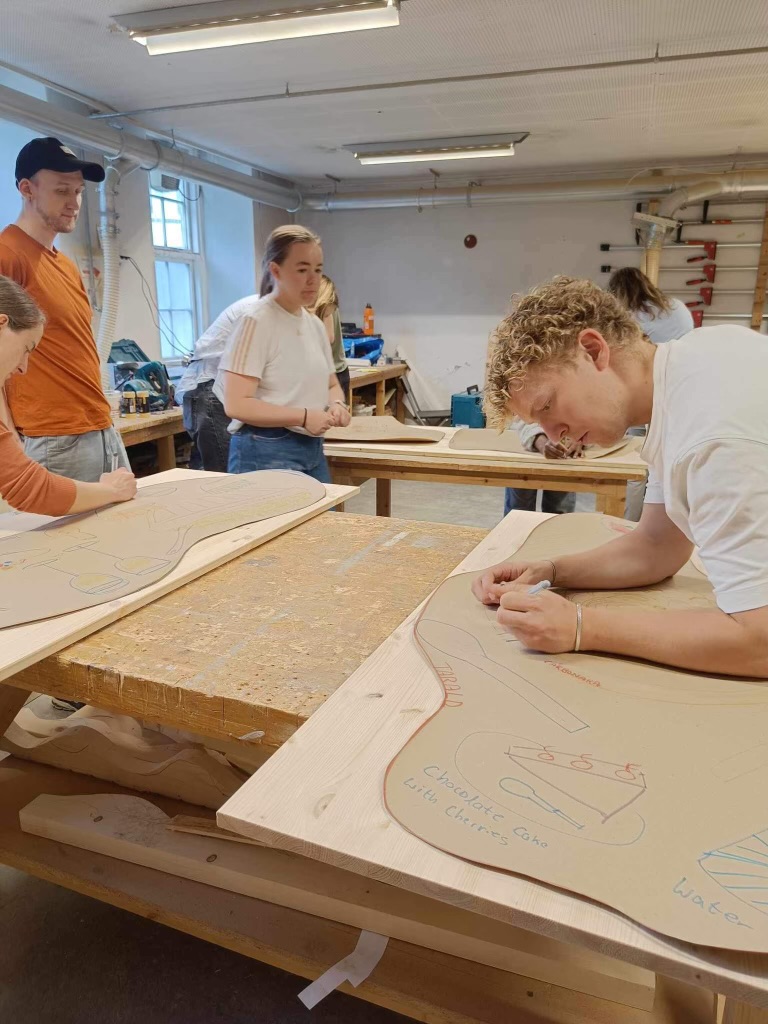
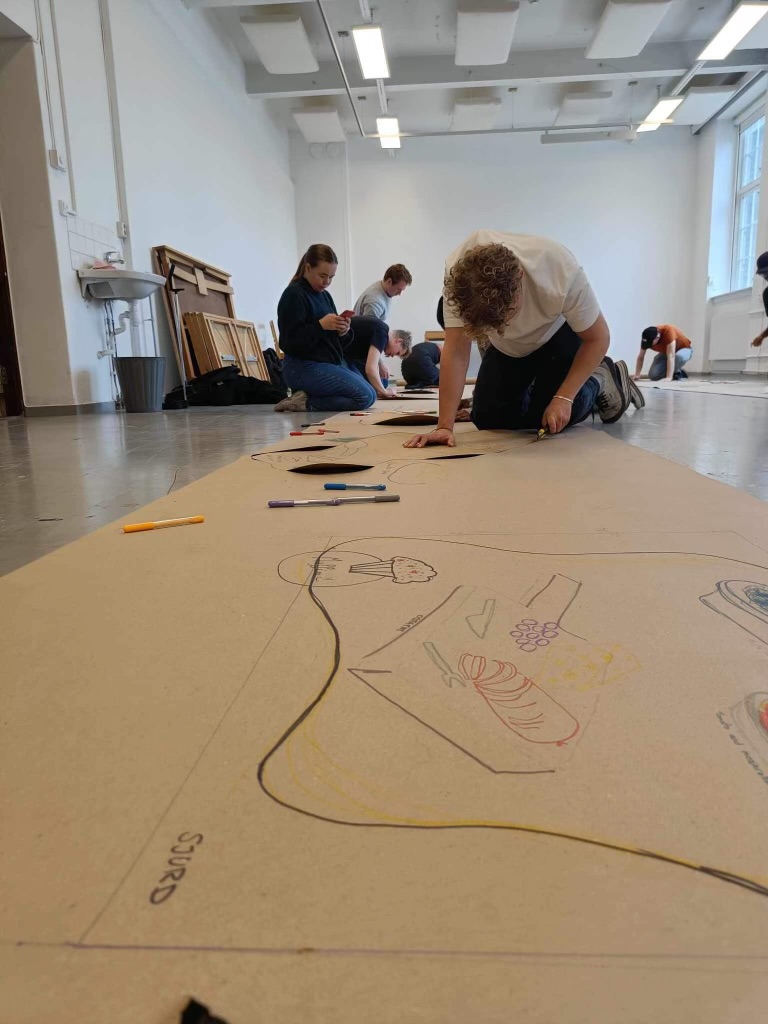
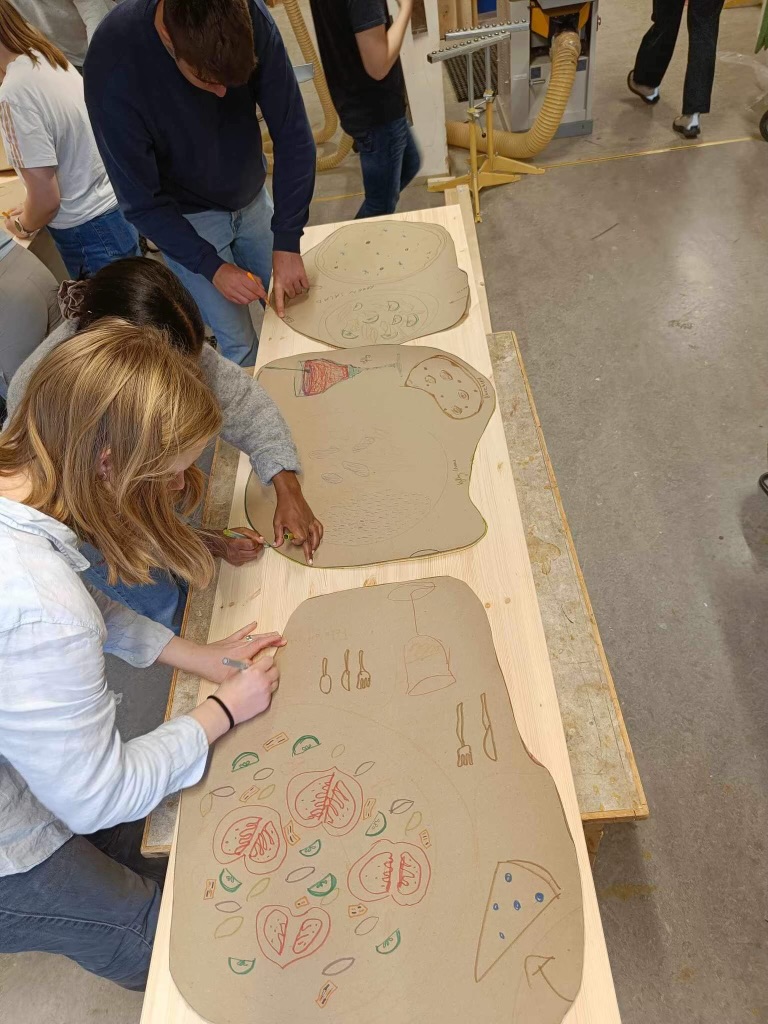
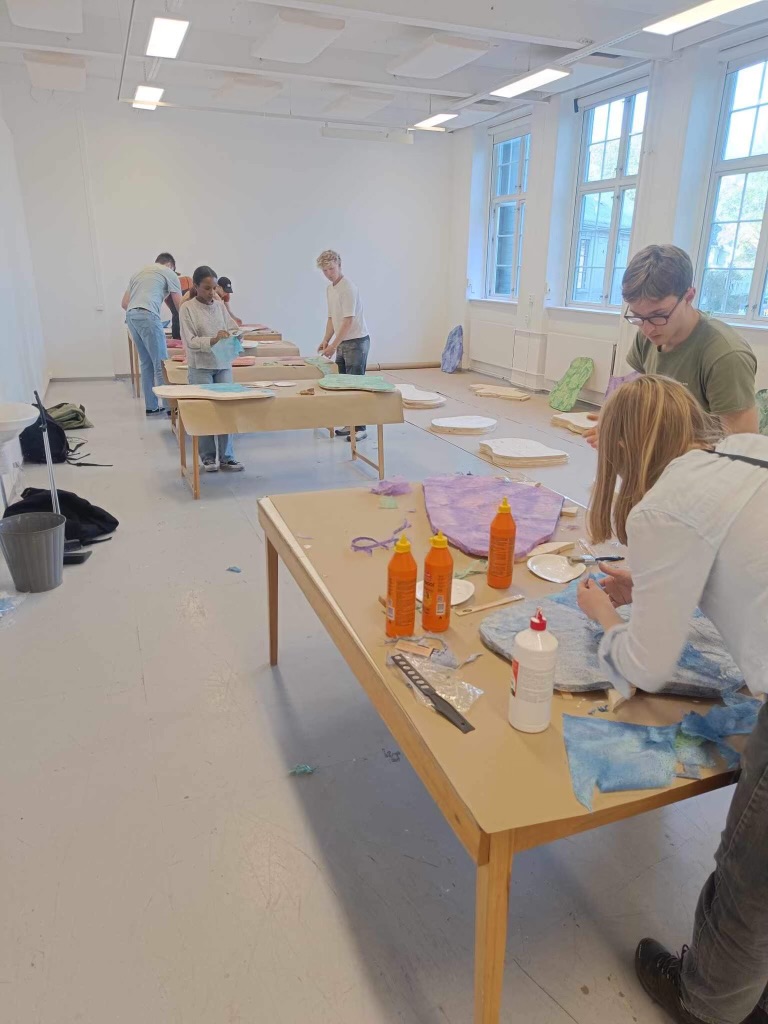
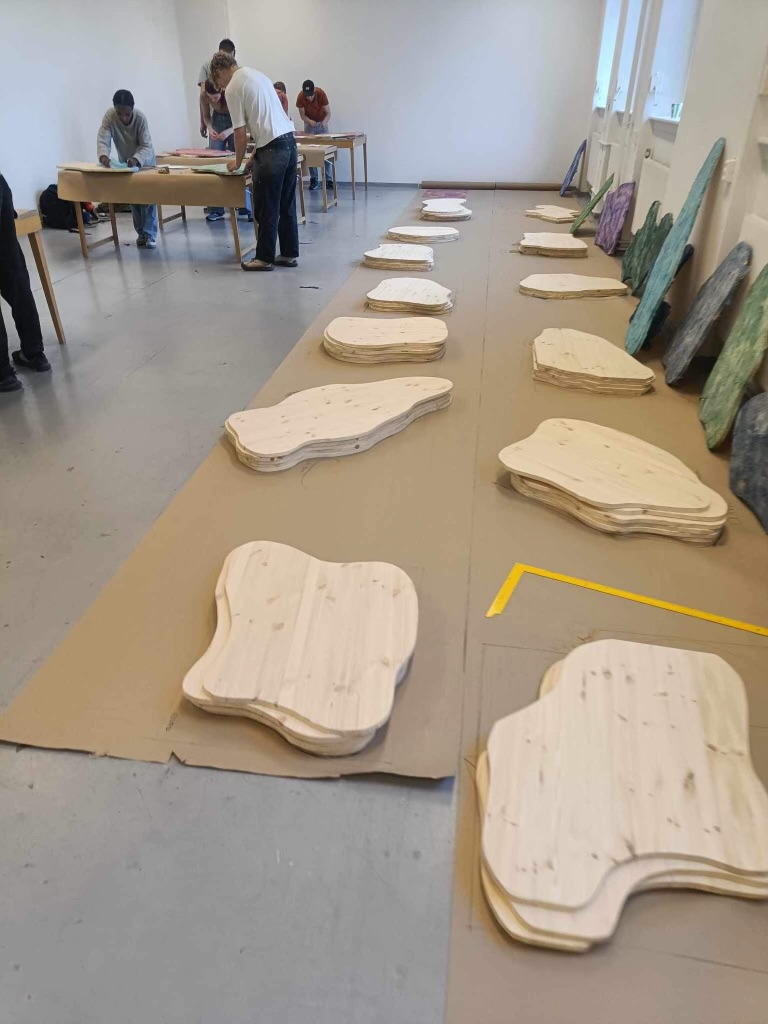
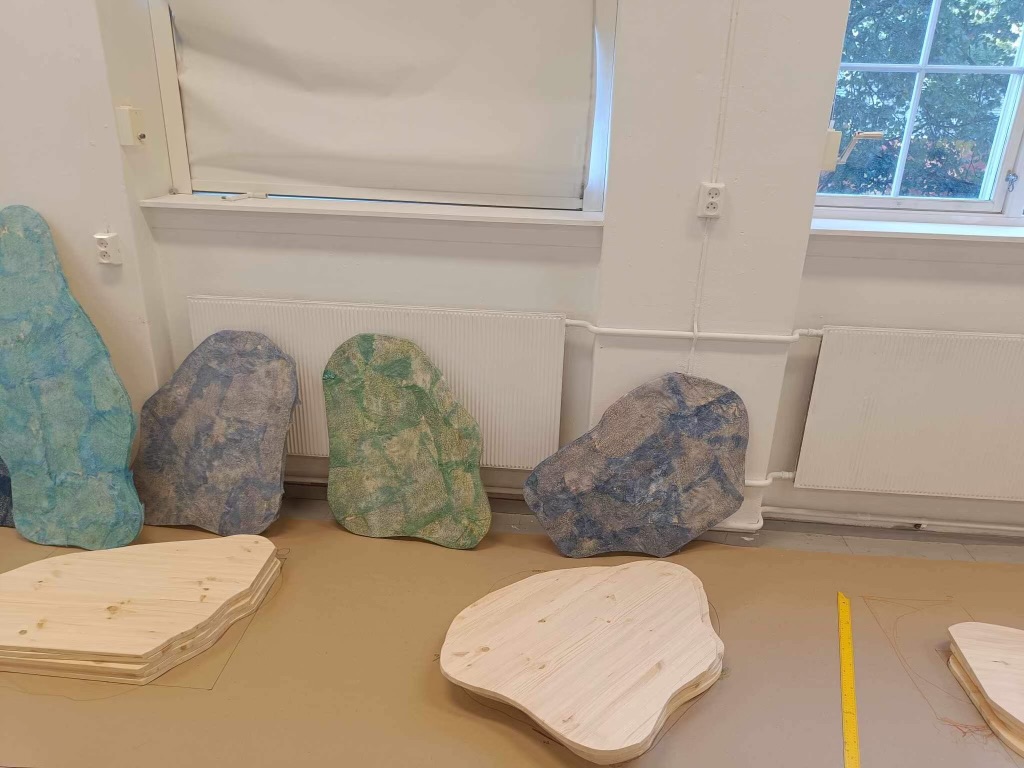
In collaboration with NCS, KORO is excited to announce a special 2-days student- workshop at NTNU, for 15 selected students to collaborate on an innovative project centered on timber design. This event is organized with and in partnership with renowned professionals Nao Kono and Tomoyuki Gondo, both of whom bring a wealth of knowledge and expertise in timber construction, with a focus on both artistic and architectural aspects - as well as Marcin Luczkowski, associate professor at department of structural engineering, NTNU.
The workshop's central theme is the design and fabrication of a modular timber table that will serve as a metaphor for connection and collaboration. The goal is to create a unique space that encourages dialogue, idea exchange, and social interaction. The table itself will be designed to foster conversation and collaboration among students from diverse backgrounds, showcasing how architecture and design can bring people together. The project combines parametric design with traditional hands-on craftsmanship, allowing participants to experience the best of both digital and physical creation processes.
Dates: The workshop will take place on the 21st and 22nd of September at NTNU’s Skiboli space.
On the first day, participants will focus on the design phase, using parametric modeling to conceptualize the timber table. They will explore digital tools and methods to create a table that can be modular and adaptable, fitting different spaces and uses. The second day will be dedicated to fabrication, where students will work with traditional hand tools to bring their designs to life. The final product will be installed in the Skiboli space as a useable fixture, serving as a symbol of cross-disciplinary collaboration and shared learning.
This workshop offers a rare opportunity to engage with professionals like Nao Kono and Tomoyuki Gondo while working on a project that blends design, craftsmanship, and cultural exchange. We encourage interested students to apply and join us for this unique learning experience.
Qualifications: preferably architecture and structural engineering majors
.jpg)